
Guide | Competency Card Inclusive Career Guidance hbo/wo
“Who Guides Inclusively,
combines communication, flexibility and
collaboration to advance each
student.”
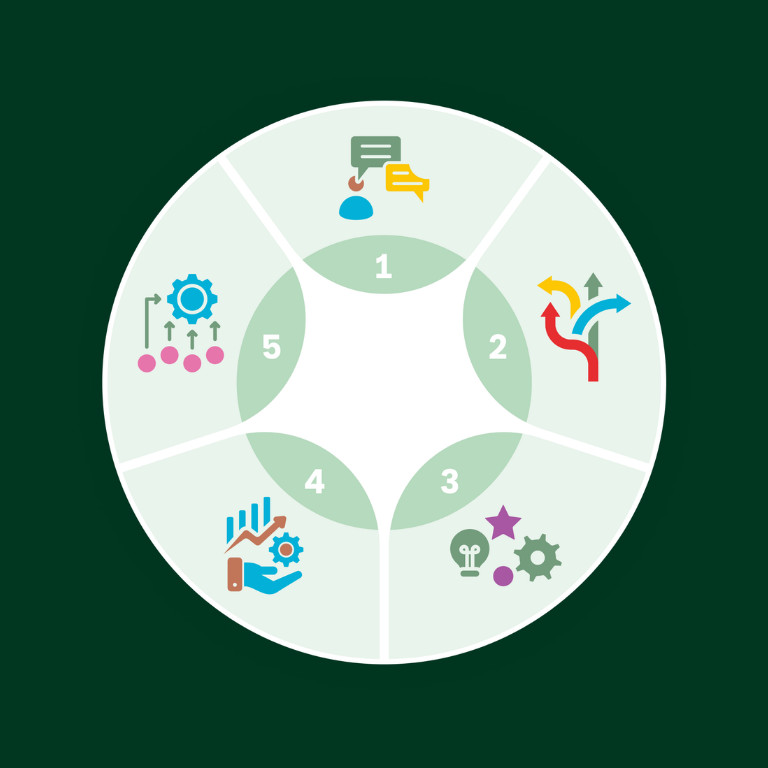
The role of career counselors within educational institutions is important in supporting college and university students in their development and career choices. This role becomes even more important for students who need extra support, both during their studies and during the transition to the labor market. The competency map provides insight into the knowledge and skills needed to effectively support these students.
Purpose of the competency map
The purpose of this competency map is to provide career counselors with the tools needed to create a safe and supportive environment for students with disabilities and/or support needs. With targeted knowledge and specific skills, counselors can ensure that these students feel heard and understood, which is essential to their success in the job market. The map is based on literature review and interviews with career counselors at colleges and universities.
Who is the competency card for?
This competency map is intended for all education professionals involved in inclusive internships and the transition from study to work, such as career counselors, student deans and student supervisors. The card covers five key themes, each with reflection questions to further develop the supervisor’s skills and knowledge.
More about the competency map
Five themes are central to the competency map:
- Effective communication: communication is essential for building trust and creating an open and safe environment. Career counselors must be able to communicate clearly and listen carefully to the student’s needs.
- Flexibility: the ability to respond flexibly to each student’s unique circumstances is of great importance. Students often have different needs and require appropriate approaches.
- Expertise and knowledge: knowledge of the challenges students face is essential. For career counselors, it is important how to find this knowledge, inside or outside the educational institution.
- Positive approach: applying a positive approach helps students gain confidence in their own abilities and enhances their motivation to achieve their goals.
- Collaboration, organization and structure: effective collaboration with other educational professionals and the creation of clear structures is key to ensuring an inclusive and supportive learning environment.
Get started right away!
Deploy the competency map and contribute to students’ well-being and success in the job market.

