
International experience IMVET | Maria
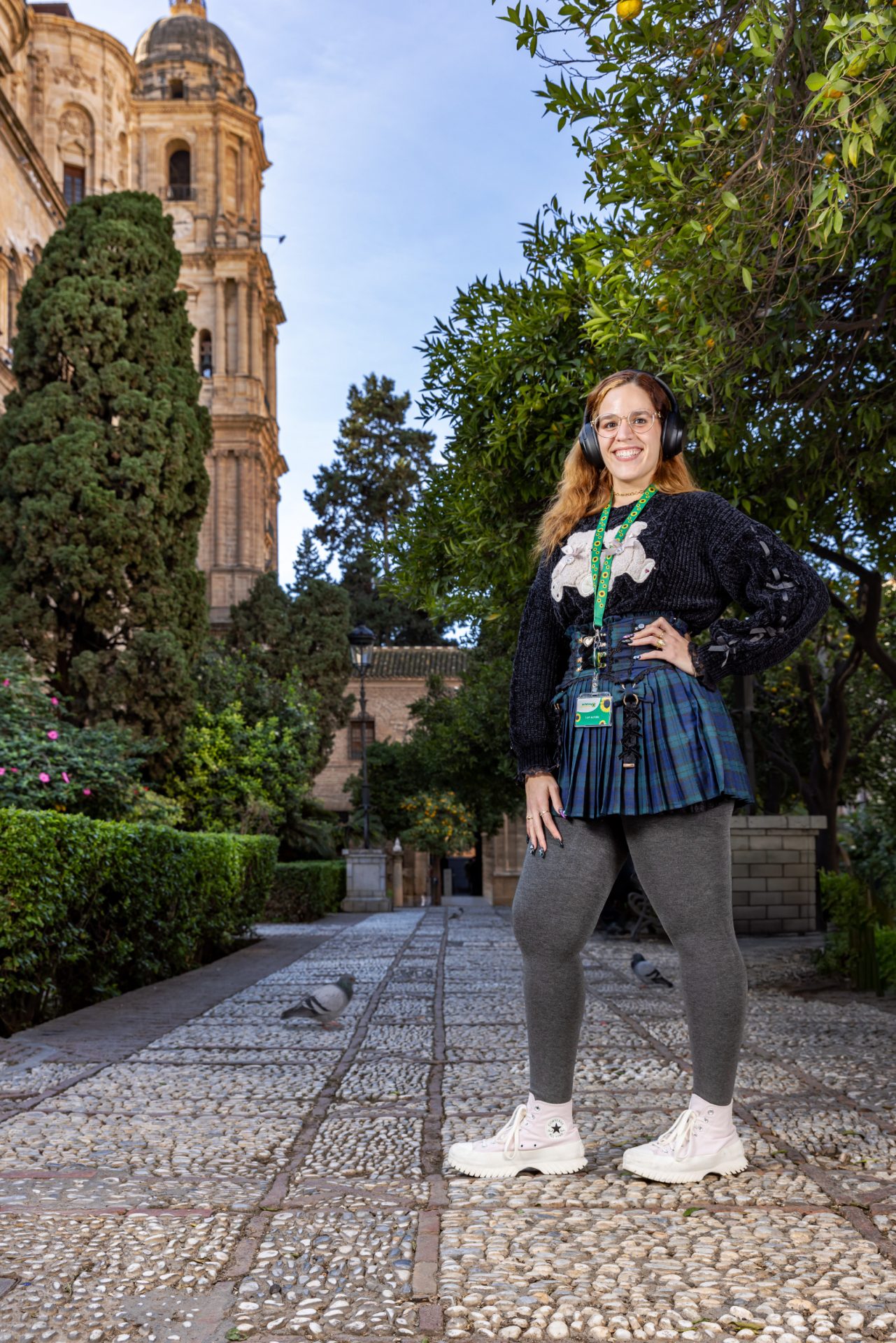
“You already have the ‘no.’ So try it”
For Maria, a 26-year-old Spanish dental hygienist student, going abroad was not something she took lightly. She is someone who is very self-aware and thoughtful, and who experiences new environments, travel and daily routines quite intensely. Busy or unfamiliar situations can feel overwhelming at times, especially when combined with her health conditions and food allergies.
Still, she decided to take the step and joined an Erasmus mobility in Greece.
“I’ve worked a lot on myself,” Maria explains. “So that fear doesn’t control my decisions.”
Taking that first step
To prepare, Maria approached the trip in her own way. She carefully planned everything and even visited the airport a week in advance with her husband, just to get familiar with the environment. “Knowing where to go and what to expect makes a huge difference,” she says. Despite that preparation, she still had doubts. “Airports are very stressful for me. The noise, the unpredictability… it’s a lot.” She also worried about food allergies, getting lost, or missing a flight. But she chose to go anyway.
A warm welcome
Once in Greece, those worries slowly faded. What stood out most to her was the warmth of the people. “Seeing how excited the Greek hosts were to have us there… it made everything worth it.” She enjoyed discovering the culture, the food, and the small details of daily life. “I love seeing the differences, but also realizing how similar Mediterranean countries are.” At the same time, the experience brought meaningful moments. During workshops about inclusion, Maria felt she was contributing to something bigger. “We were really working on making Erasmus more accessible. That felt meaningful.”
What made the difference
For Maria, feeling supported was essential. Having trusted teachers nearby gave her a sense of safety. “Knowing I wasn’t alone made everything easier.” Small adjustments also had a big impact. Her food allergies were taken seriously, which reduced a lot of stress. “Not having to constantly worry about food gave me so much peace.” She also learned practical strategies that helped her cope, like making detailed lists or bringing items that make her feel comfortable in unfamiliar places.
Growing in confidence
The experience changed how Maria sees herself. “I realized: I can do this too.”
It was the first time she traveled without her usual support system. That made it challenging, but also empowering. “If something goes wrong, it’s part of the experience. You learn from it.” She now feels more confident about traveling and even considers going abroad again in the future — as long as the right support is in place.
Her most important message?
“You already have the ‘no.’ So try it !“
Her advice for students
Maria encourages other students with a disability not to hold themselves back:
Tips from Maria’s story for education professionals
(Photography: Martine van den Oever)

