
Student experience | Diederik on studying with ABI
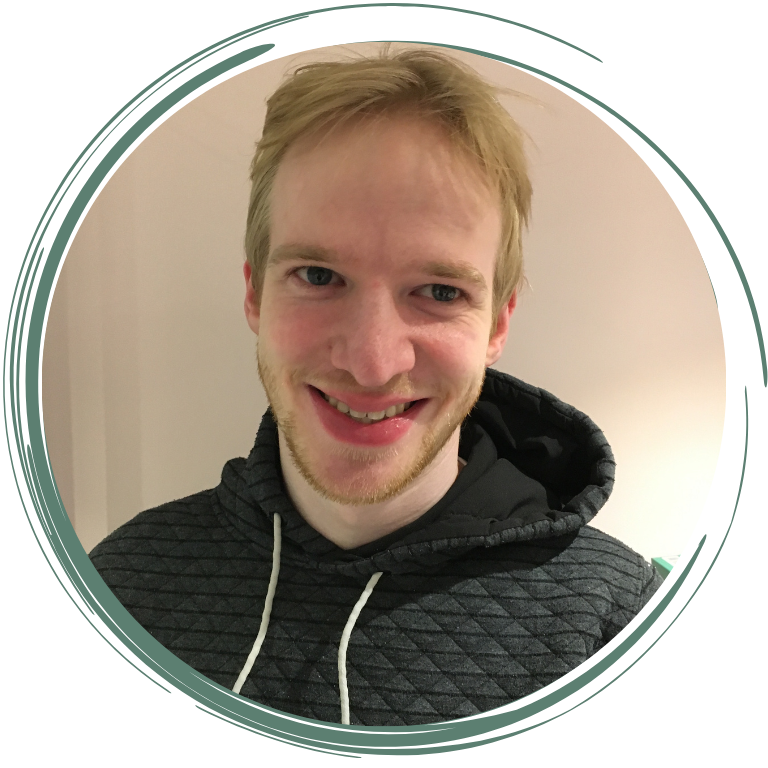
“Setback by strict numerical journey.”
In this interview you will read Diederik’s story. He is an ambitious student with acquired brain injury (ABI). Diederik dreams of a future in the legal world. His story is about perseverance. He ran into problems when he wanted to move on to a pre-master’s degree in Law after his college education. His mother, who has a lot of experience in education, also shares her take on the situation.
Diederik’s motivation
Diederik wanted to take the pre-master’s degree in Law at the university. He is very interested in the background and rules of law. He wants to learn not only how to apply rules, but also where they come from.
Challenges and setbacks
Unfamiliar with facilities
In the first year of his college education, Diederik did not yet know that there were facilities that could help him. He attended school as if he had no support needs. As a result, he got lower grades. Later he learned that he could, for example, take fewer courses per year or get extra time. Then things improved. Thanks to his perseverance and interest in law, Diederik completed his college studies with a 6.9 more than satisfactory.
Strict numerical journey
After his college education, Diederik wanted to go to college. But he was rejected. Not because he wasn’t smart or motivated, but because his grade point average was too low. For his main phase and graduation, he had a 6.9 average. But because of the lower grades in his propaedeutic, his total became 6.78. That small difference prevented him from advancing.
“Applying the law is not a matter of following a recipe in a cookbook. It’s about the meaning behind the rules and the particular circumstances of the case.” – Diederik
The parent perspective
Diederik’s mother shares her perspective on the challenges Diederik had to overcome. With her extensive experience in education, she highlights the struggles that each new level of education brought, especially in connecting between different educational sectors. Despite these challenges, Diederik’s motivation and perseverance never waned, even when he faced yet another setback after being rejected due to a marginal grade issue.
An alternative education with different challenges
After the rejection, Diederik continued his studies at the Open University. Here he faced a very different kind of challenge. Although he gets the necessary adjustments, such as extra time for exams, he misses the social interaction. With this program, Diederik also experienced the strict regulations of DUO. Due to the fact that he is studying part-time, he is not eligible for study financing.
Lessons learned
Educational institutions can create a more inclusive learning environment that allows all students to reach their full potential regardless of their challenges. A student’s motivation, perseverance and obstacles overcome tell a lot about their potential and ability to be successful in their studies and beyond.
Flexibility in admission criteria
More flexibility in admissions criteria, such as considering individual circumstances and accommodations for students with support needs, creates a more inclusive educational environment. Social interactions and a sense of belonging should not be underestimated. For students who study online or have other challenges, integration into the school community and opportunities for interaction and collaboration is important. Training teachers and other staff to recognize and respond appropriately to the needs of students with disabilities is essential. Transparent information about available supports and how to request them is critical.

