
International experience IMVET | Wout
“It will work out”
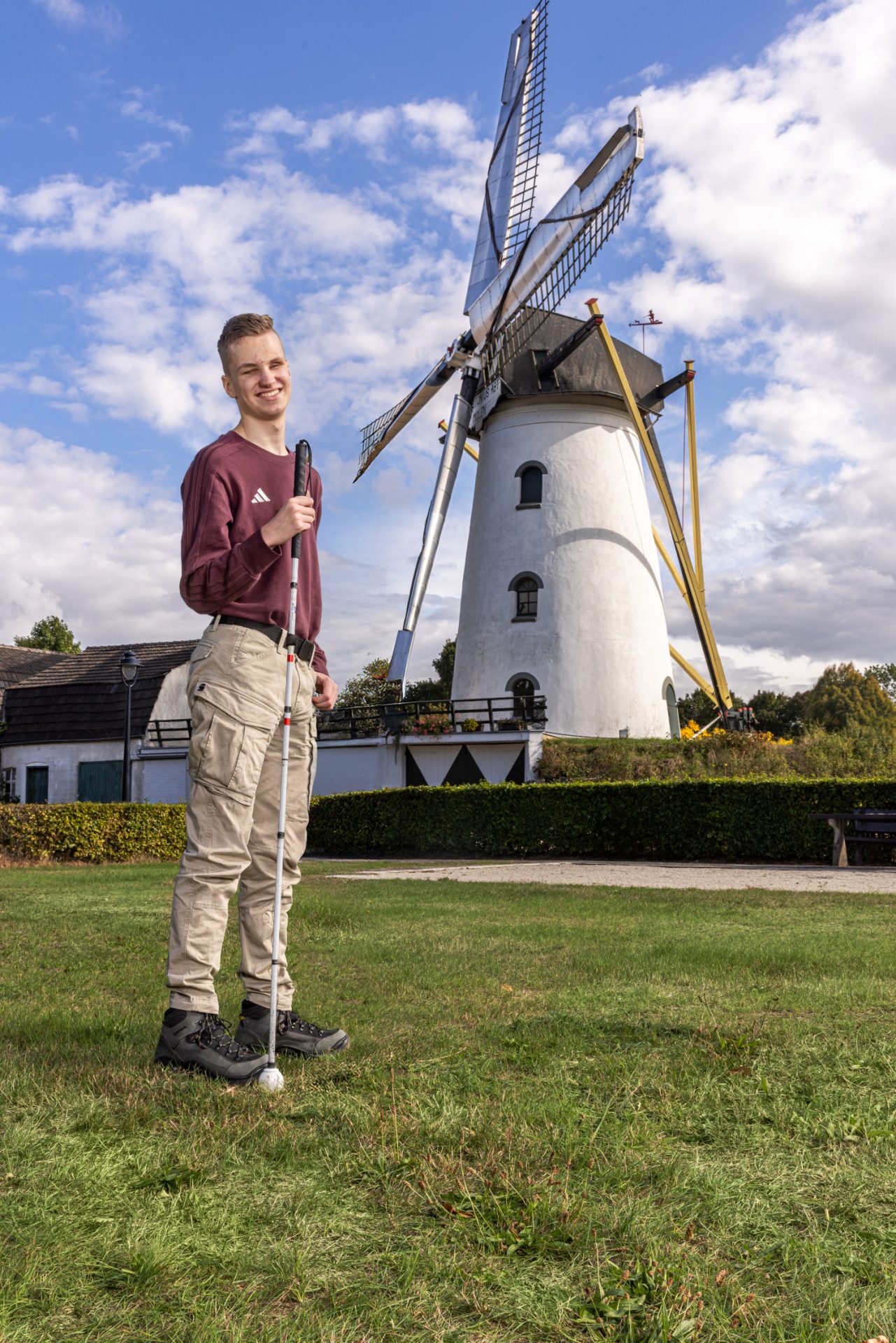
For Wout, a Dutch student in Allround IT Systems and Devices, his international experience started in a big way. At seventeen, he traveled to Japan – his first time outside Europe, and also his first time traveling without his parents. Not for a holiday, but for work: as an expert by experience, he helped introduce products for people who are blind or visually impaired. Wout is blind himself, which allowed him to explain better than anyone how this technology works in practice.
“I felt really honored to be asked for this while I was still an intern,” he says. “Most people my age have a part-time job in a shop or a restaurant. And suddenly I was going to Japan.”
Exciting, but manageable
It wasn’t all excitement, though. Before leaving, Wout also felt nervous. The unknown played a big role. “You don’t really know what to expect. Traveling that far, a different culture… that makes it exciting.” But once he arrived, that feeling quickly faded. “When you’re actually there, it’s not as overwhelming as you think. People help you, and you realize: it will work out.” That sense of trust is important to Wout. In his daily life, he is used to relying on others, for example when getting around or handling practical matters. “You naturally take that with you when you go abroad.”
New experiences
What stayed with him most were the small, everyday differences. Like food. “In Japan, they really take their time for meals. That’s so different from the Netherlands, where everything is fast-paced.” Unexpected moments also stood out – sometimes inconvenient, but often funny in hindsight.
What helps
For Wout, the key is good preparation and clear communication. “Make sure you know in advance where to go and what to expect. And ask questions if something isn’t clear.” During the trip, that remains important. “If I need something, I just say it. For example, help with a menu. People are usually happy to help – but they need to know what you need.”
More confidence
The experience mainly gave him confidence in himself. “I now know that I can manage just fine abroad. Even presenting in English went well.”
His most important lesson?
“It often work out but only if it truly feels right for you.”
His tips for students
For other students with support needs, Wout has a clear message:
Tips from Wout’s story for education professionals
(Photography: Martine van den Oever)

