
A review of the Student Wellbeing meeting | Attendees
| 24 March 2026 | Meeting of the National Student Wellbeing Network
‘Why taking part, being seen and feeling part of the group matters’
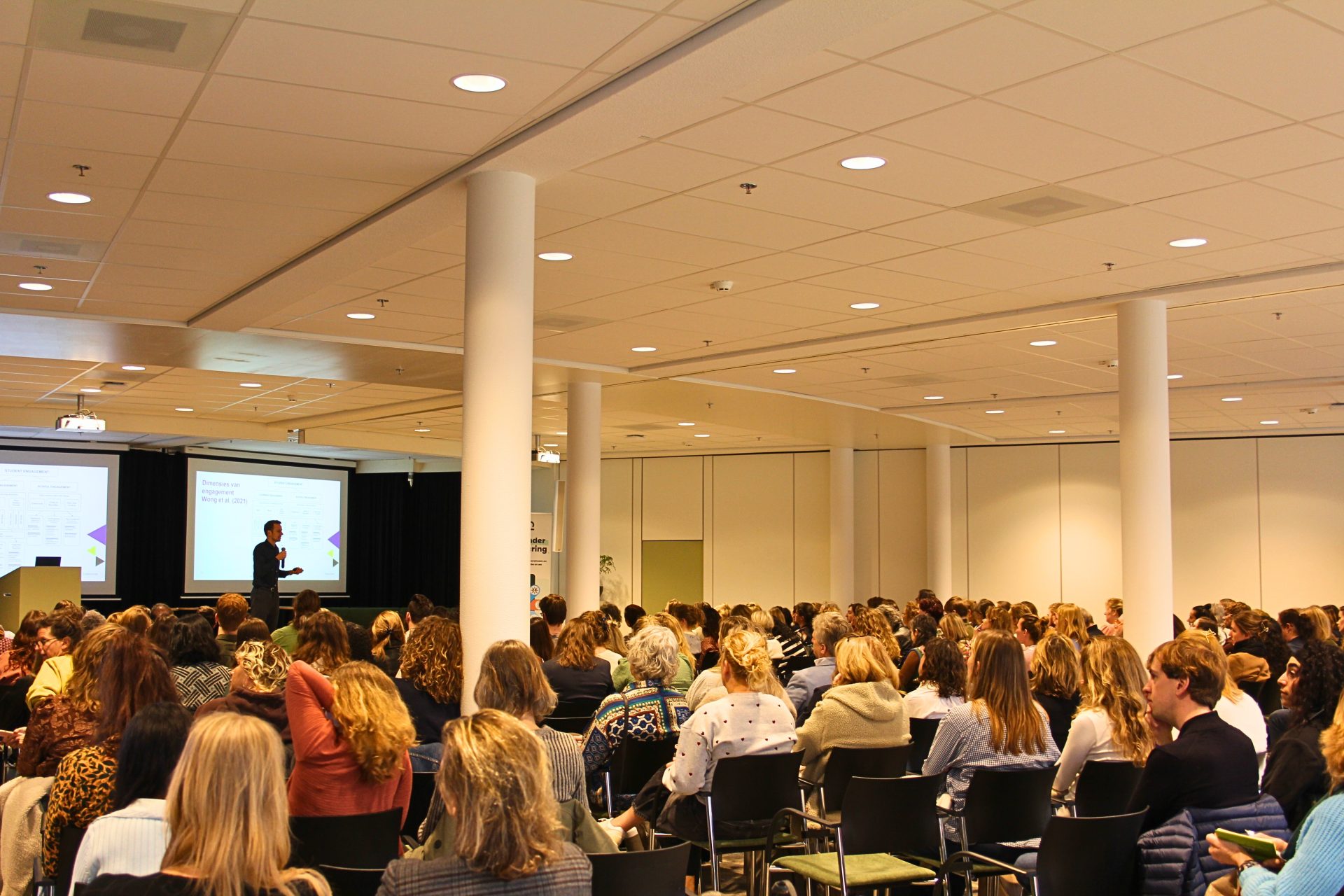
What a turnout! On 24 March, the National Student Wellbeing Network gathered at the Domstad conference and meeting centre for the ‘Aanwezig’ event. It was a day on which education professionals from further education, higher professional education and university education came together to explore one of the most pressing and relatable issues in education: how do we ensure that students are truly engaged – in the classroom, online and in their interactions with one another?
Although vocational education was somewhat less represented this time, there was a tremendous level of engagement and interest in the topic. The discussions and exchanges throughout the morning made it clear just how widespread and pressing the issue is. The central theme of the day? Attendance as the key to motivation, engagement and well-being, and everything that goes with it.
Start van de ochtend
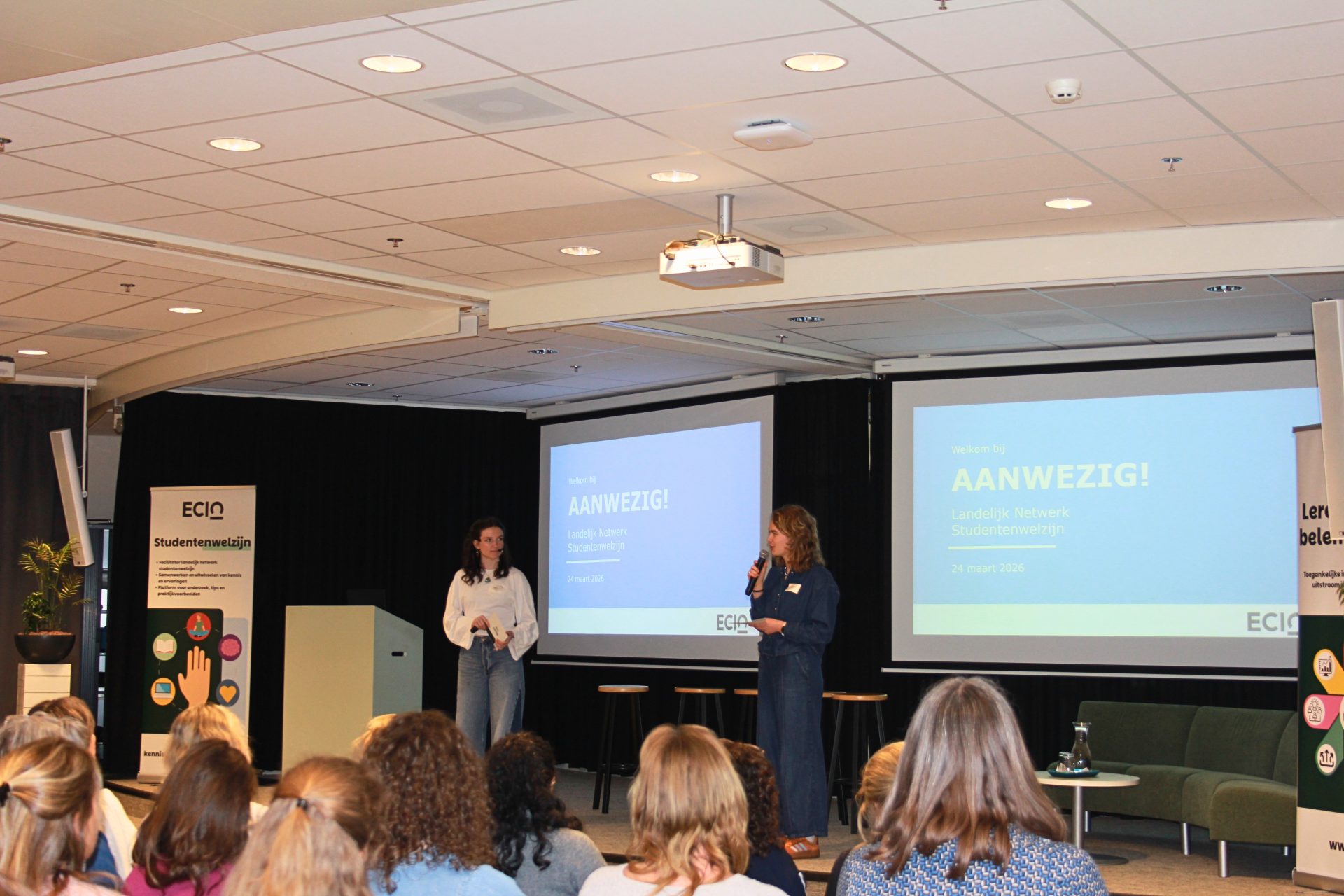
The session was opened by the chairpersons, Evie de Vos (Social Work student, Rotterdam University of Applied Sciences) and Daantje Gutker de Geus (Master’s student in Health and Medical Psychology / Cognitive Neuroscience, Leiden University). They emphasised that attendance is about more than just being physically present in a room. It is about being able to engage in a way that works for students.
“I sometimes miss having other students around too.”
– Evie –
Keynote | The student crisis in further education
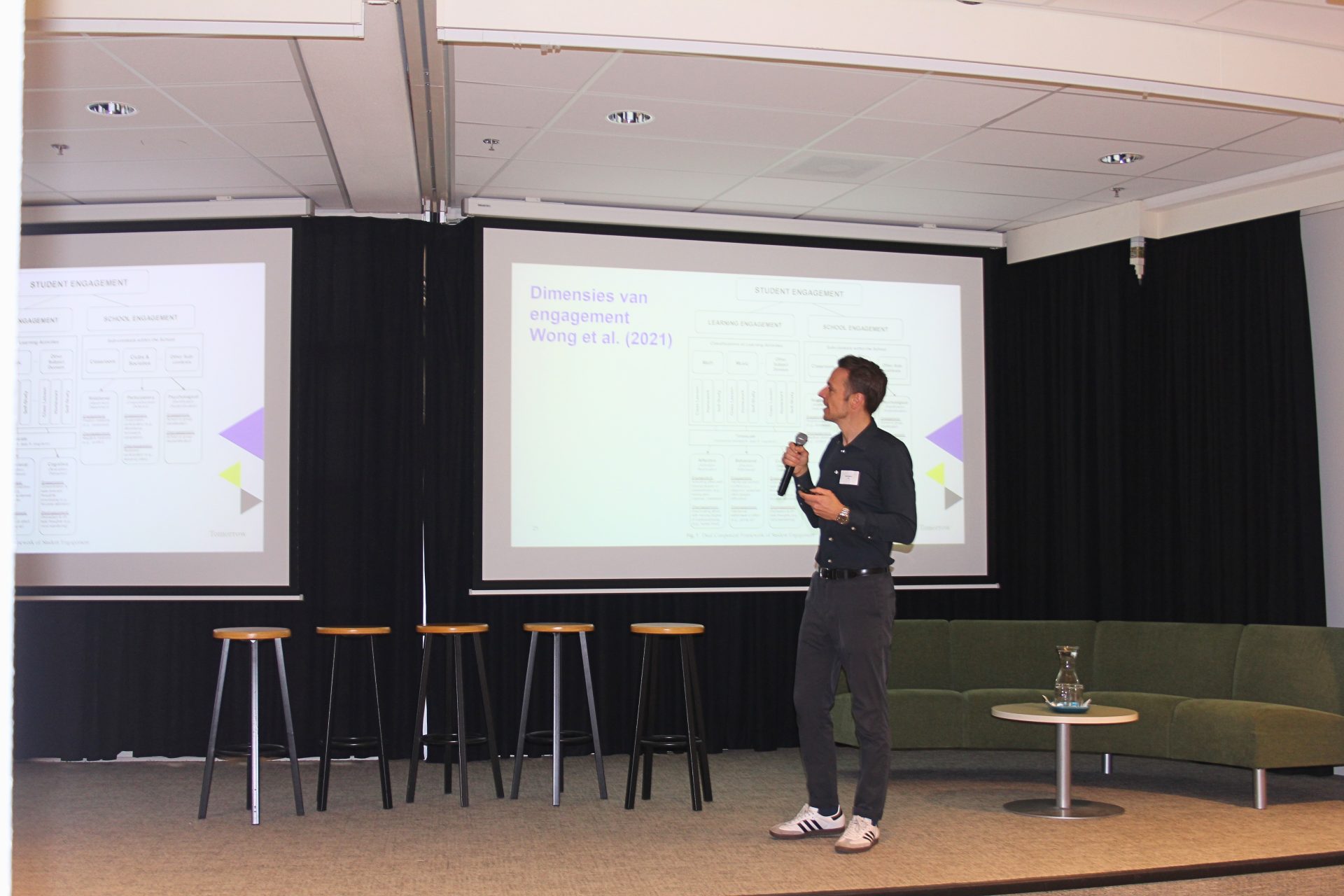
Izaak Dekker, Associate Professor at the Amsterdam University of Applied Sciences (HvA), outlined how declining lecture attendance, reduced self-study time and AI are collectively contributing to a ‘study crisis’. He explained what this means for learning, student engagement and well-being, and what steps educational institutions can take.

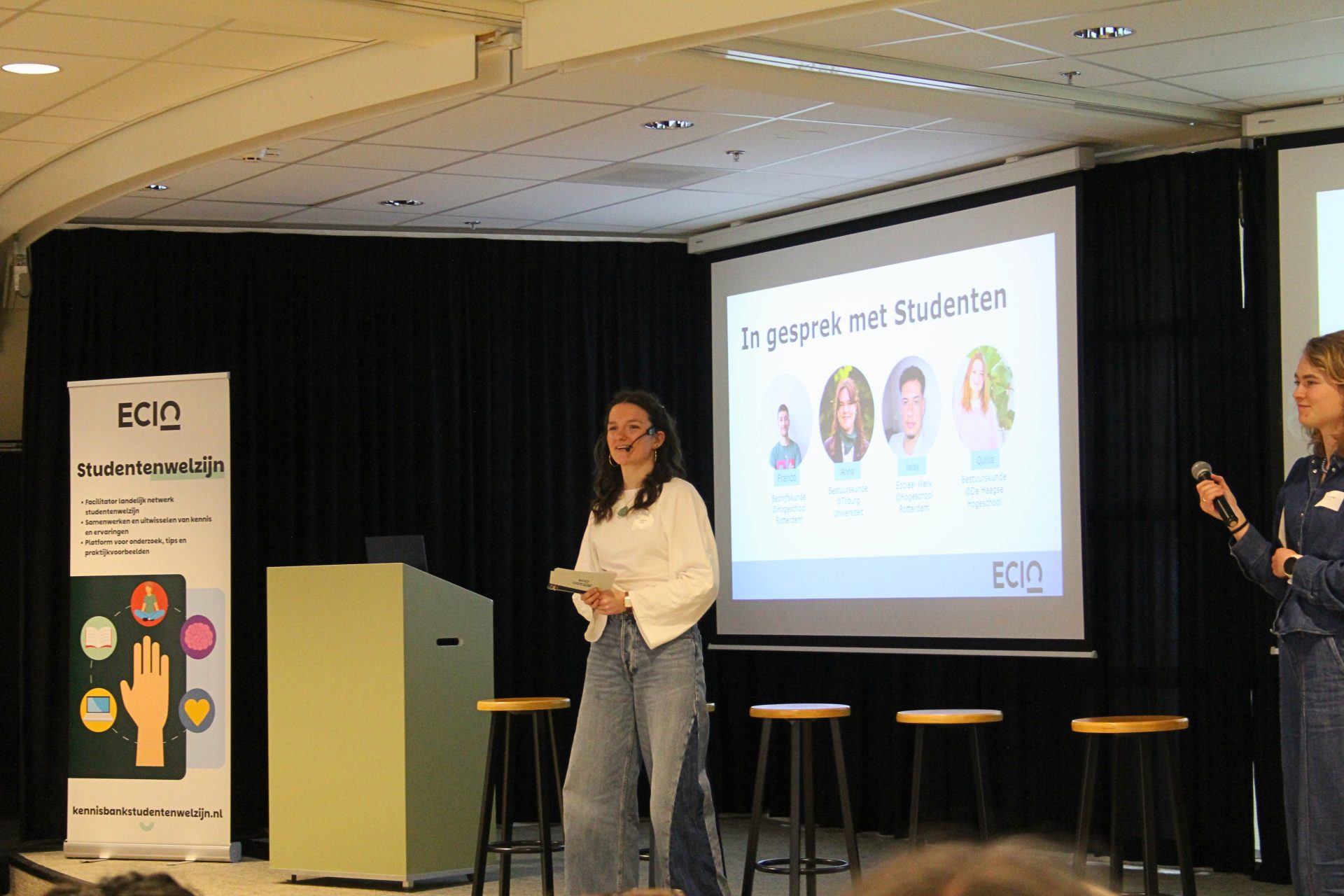
Student panel featuring students
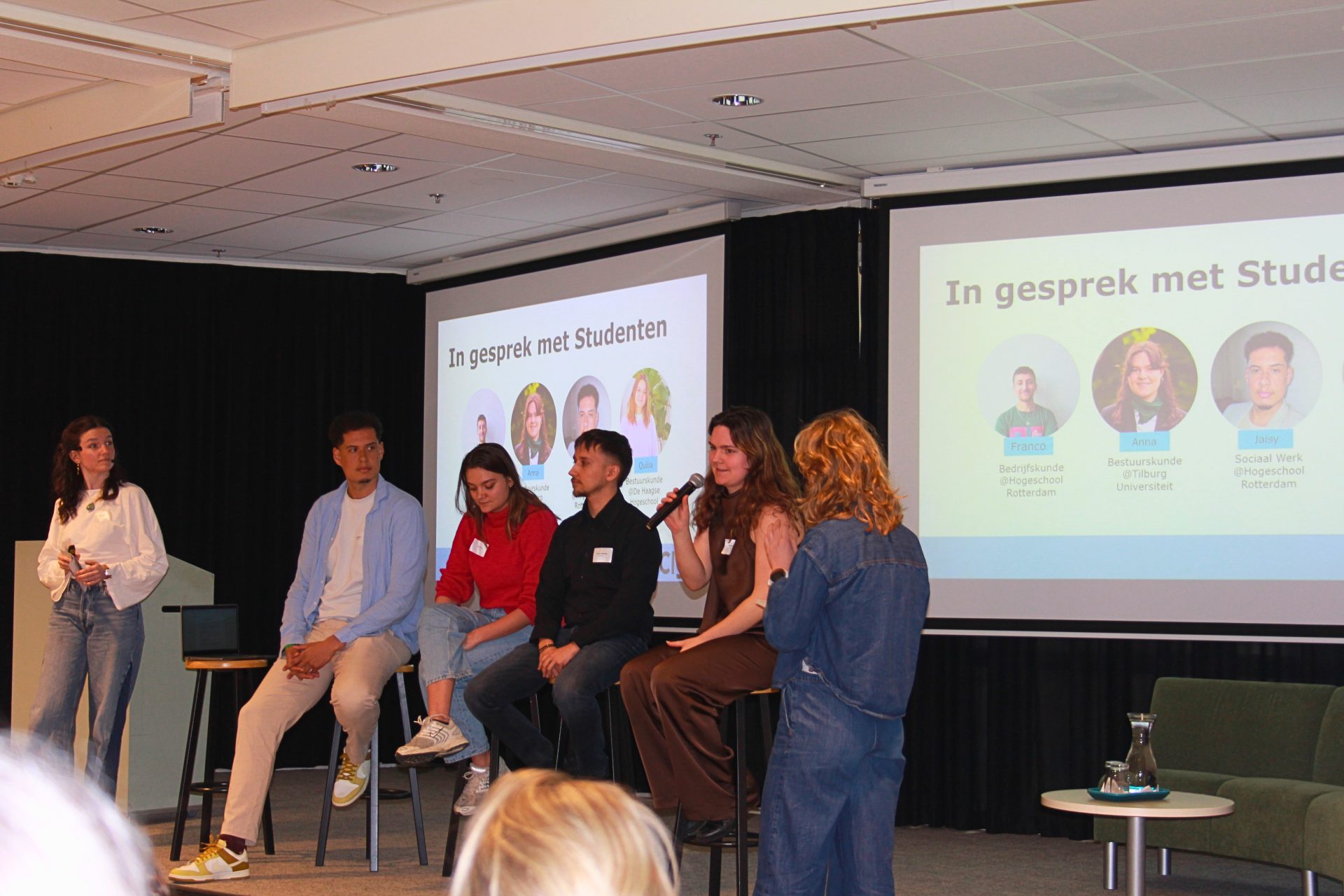
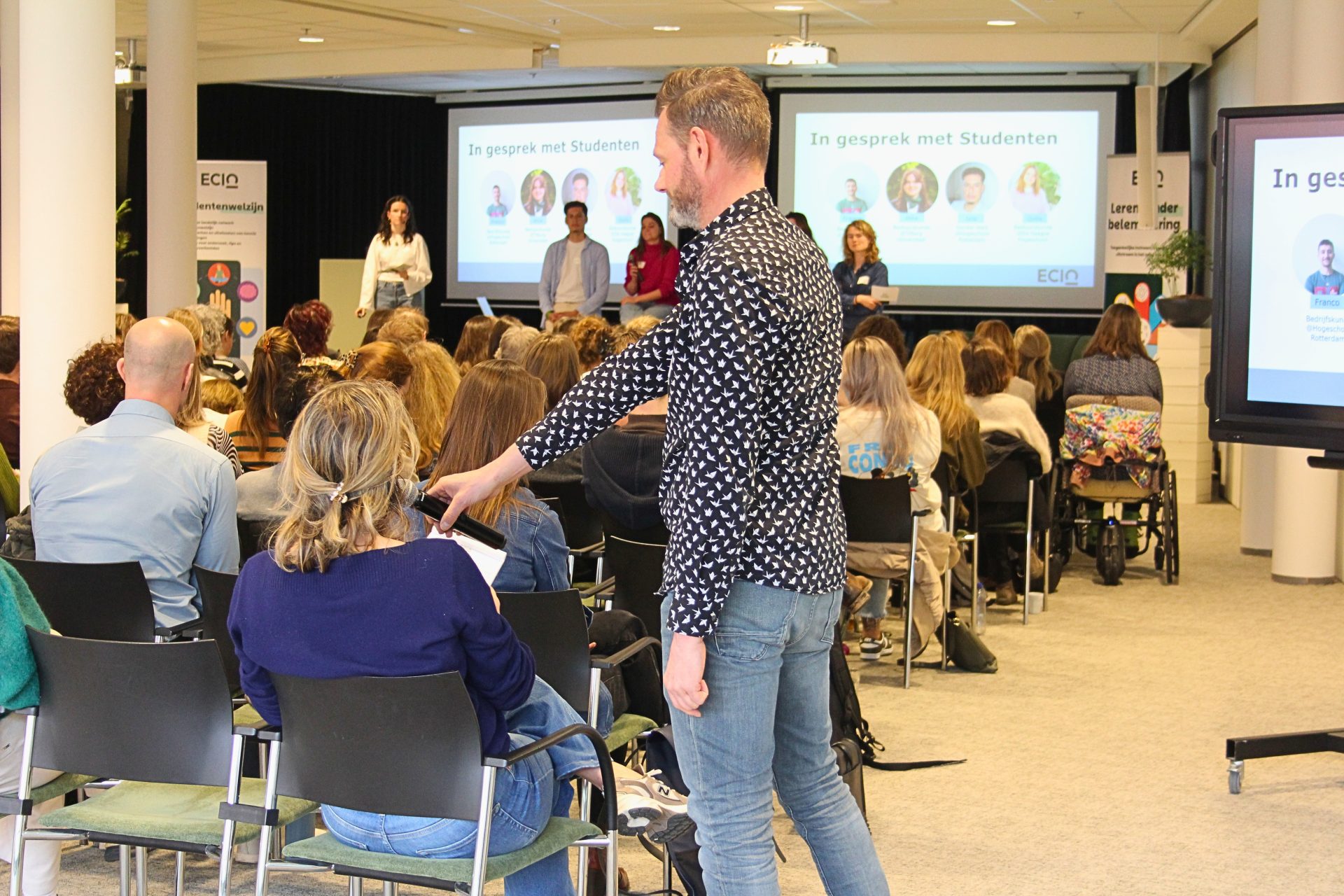
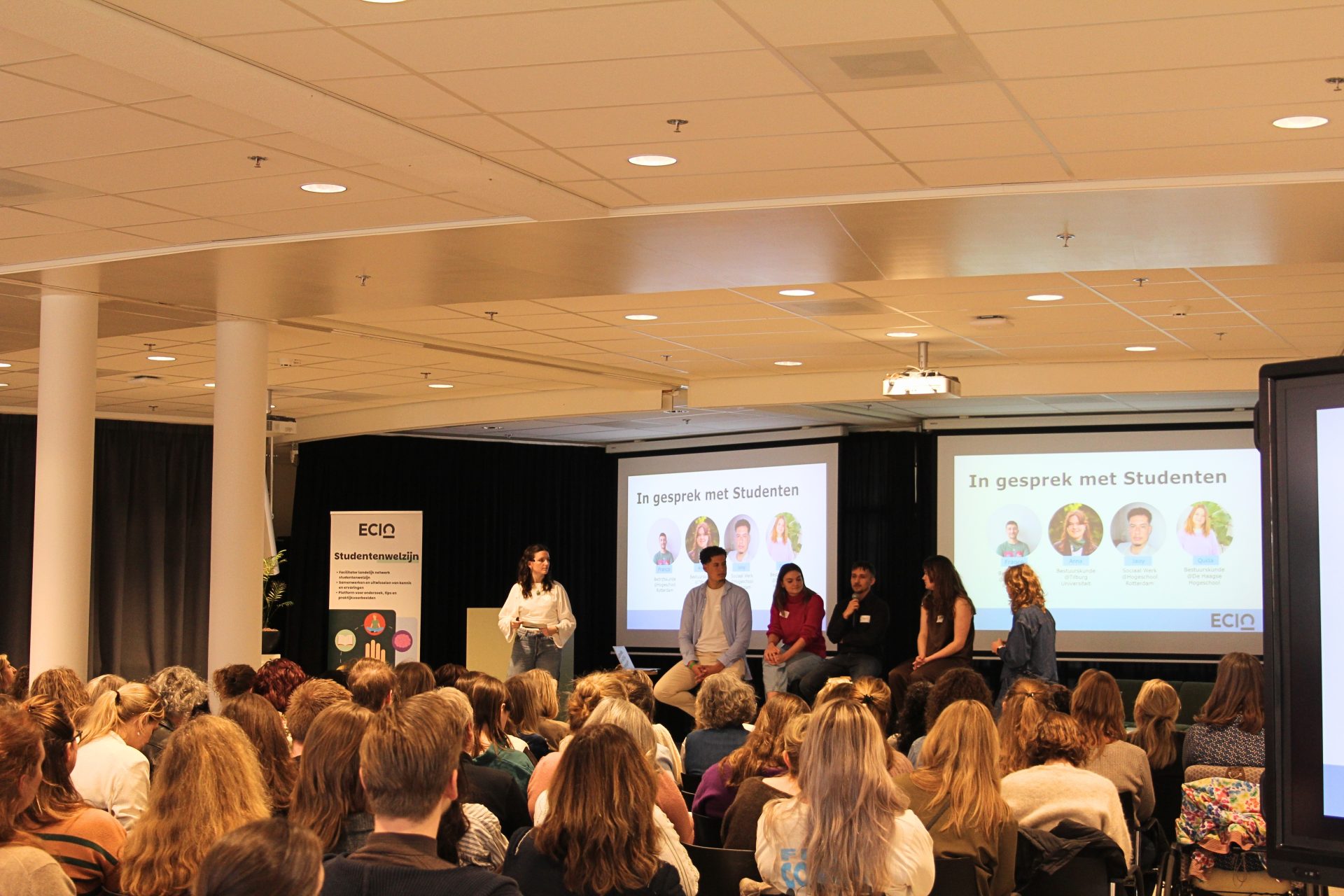
Led by Evie and Daantje, the students spoke candidly about what ‘being present’ means to them. The discussion immediately revealed just how personal and multi-layered the subject is. For them, being present is not just about sitting in a classroom, but above all about connection, being seen and feeling at home somewhere.
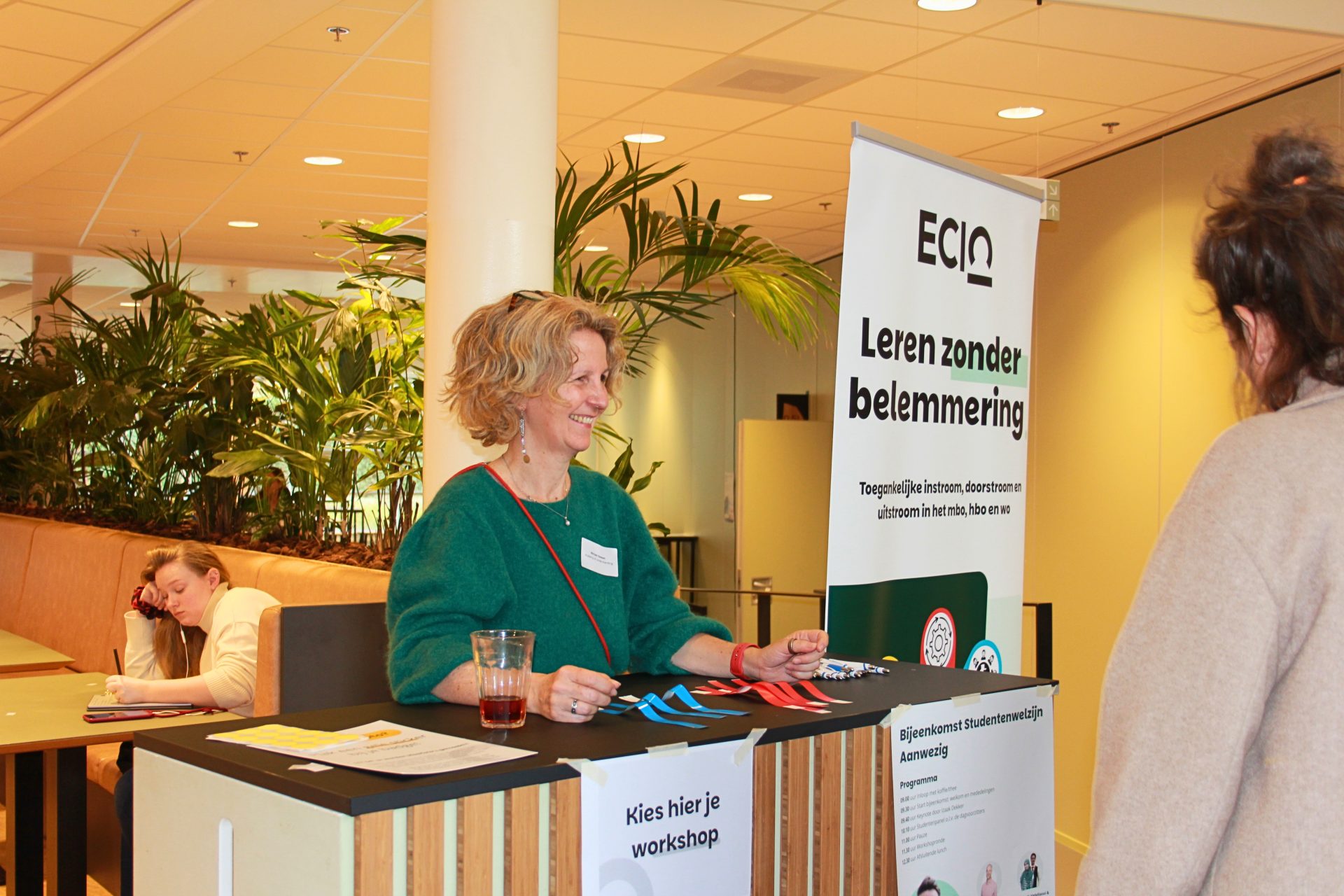
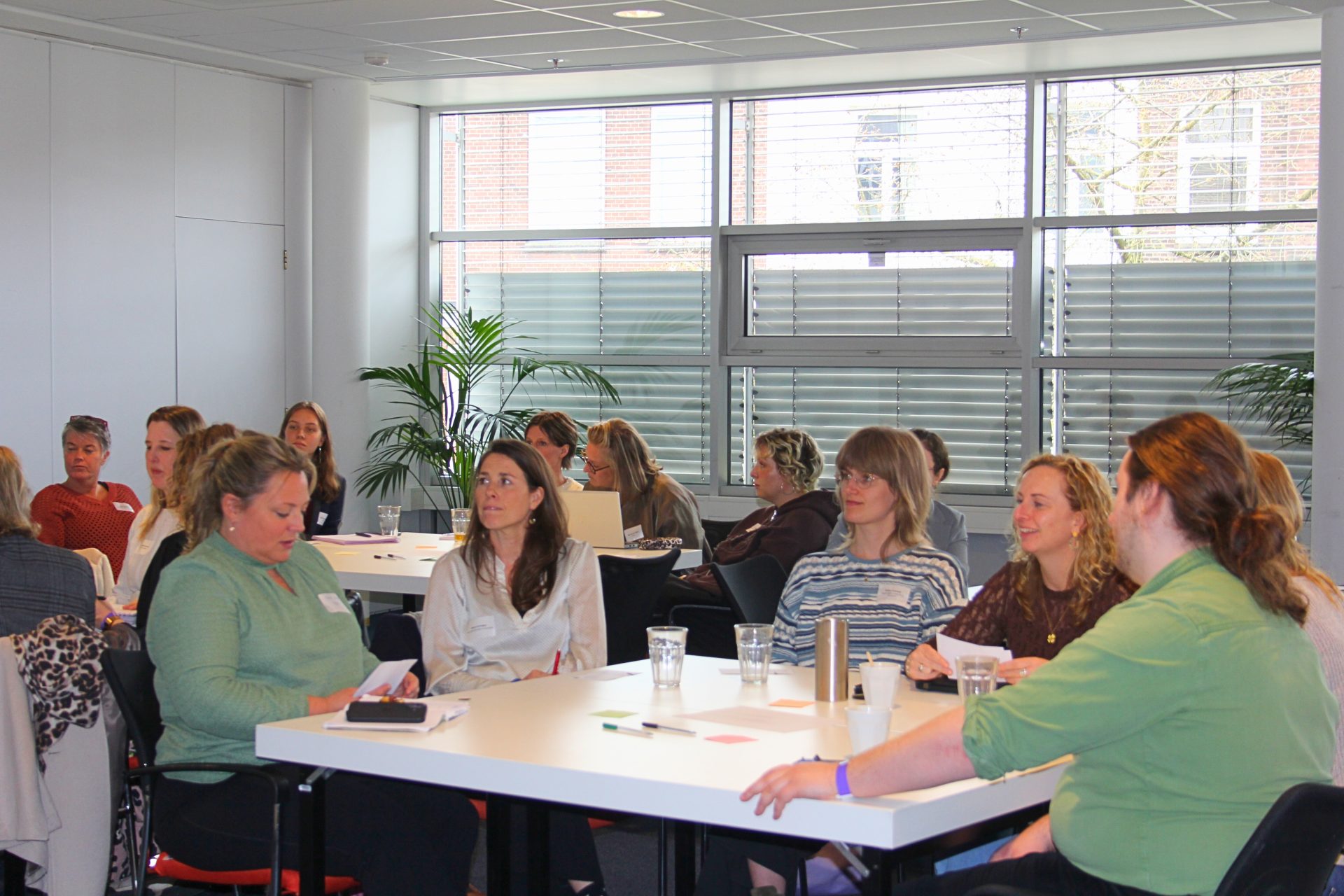
A glimpse of the atmosphere
Photos:
Isabel Wolfs (ECIO intern)

Workshops
During the workshop session, participants were able to explore different perspectives.
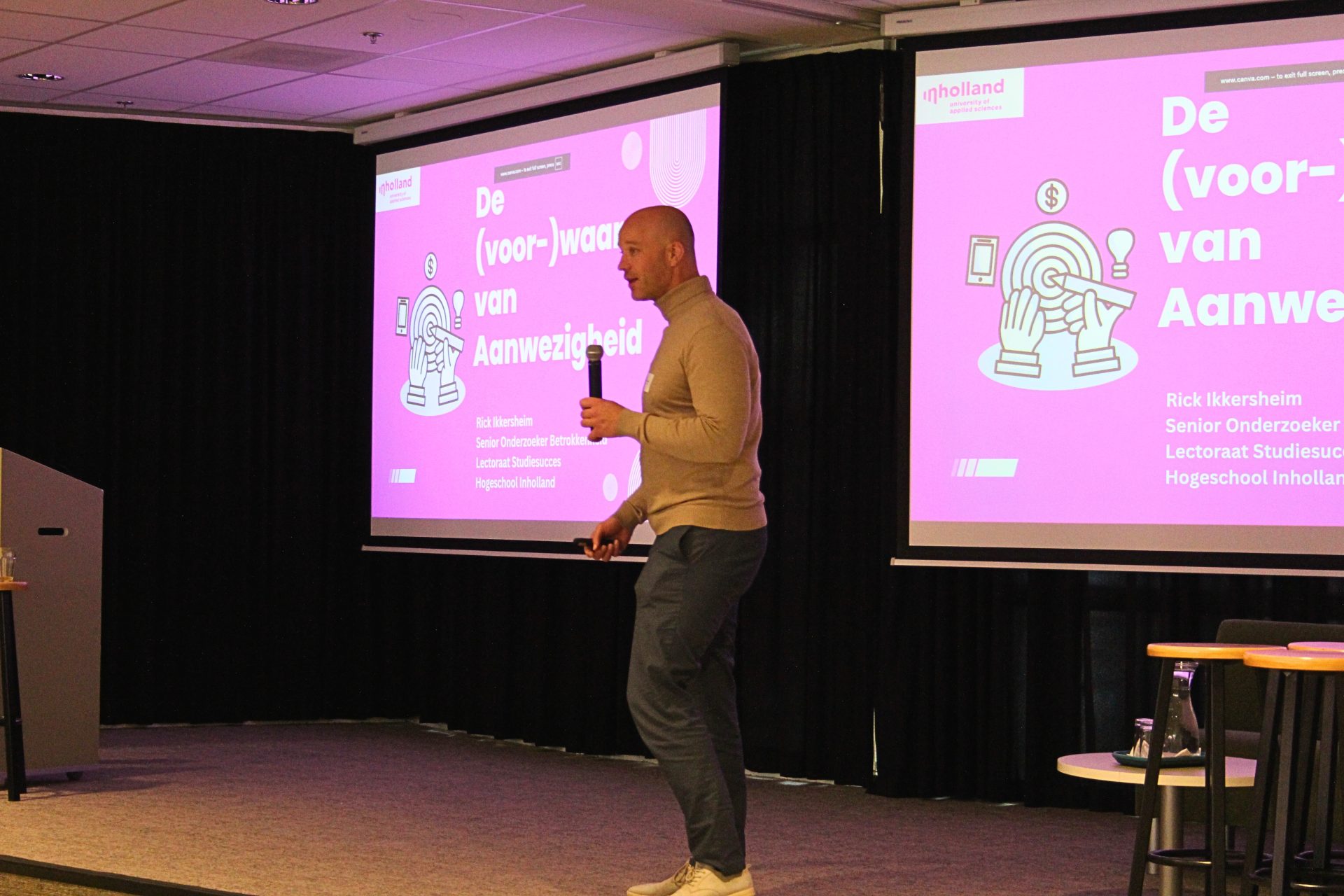
Workshop | The conditions and prerequisites of presence
Rick Ikkersheim, Senior Researcher in Student Engagement at Inholland’s Academic Success Research Group, on the educational, pedagogical, legal and organisational conditions required to enable attendance.

Workshop | Being yourself: making inclusivity truly inclusive
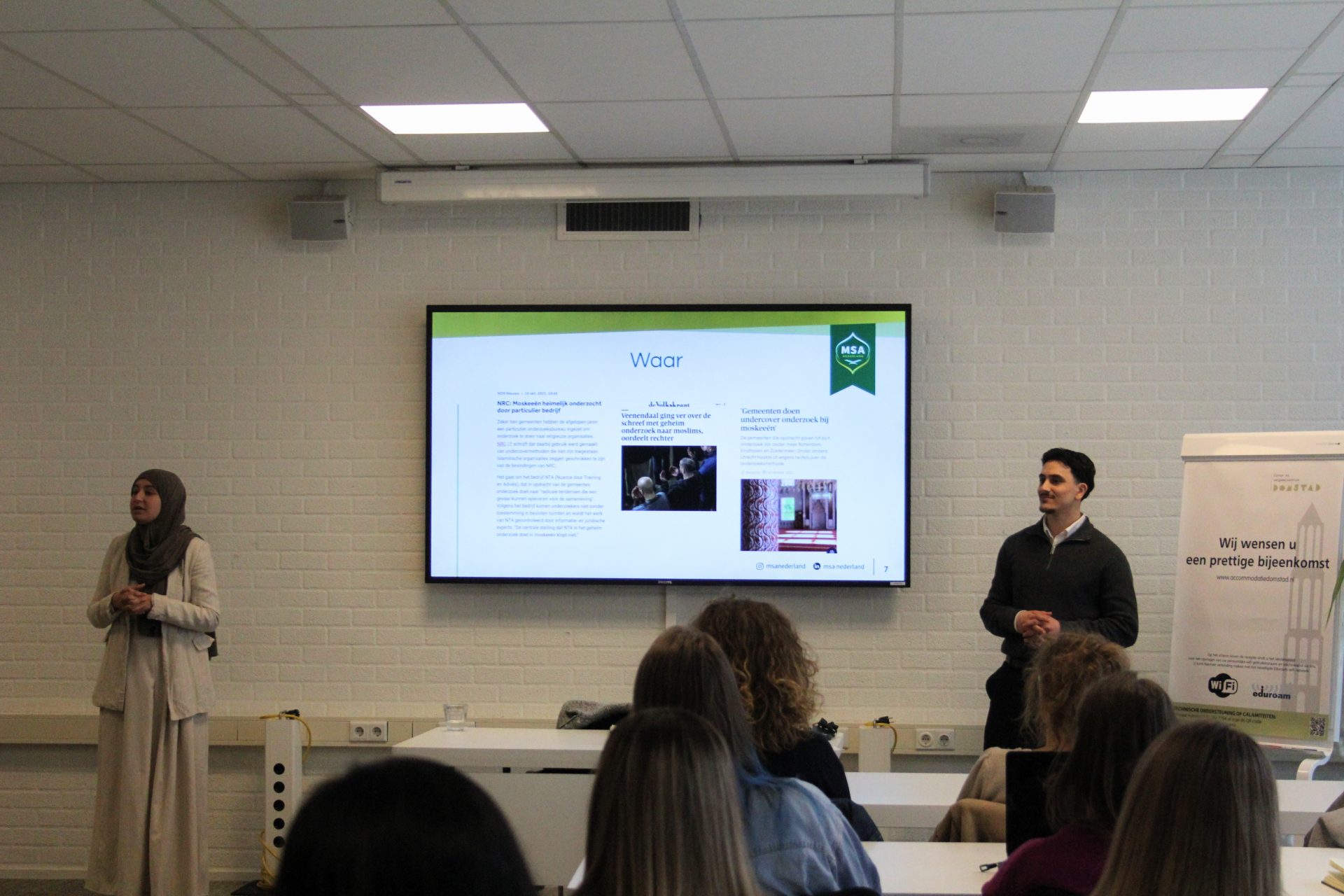
Oumaima Al Abdellaoui and Yazan Orabi – Muslim Students Association Netherlands on the experiences of Muslim students and the impact of social safety, recognition and campus facilities.

Workshop | The Power of Weak Ties
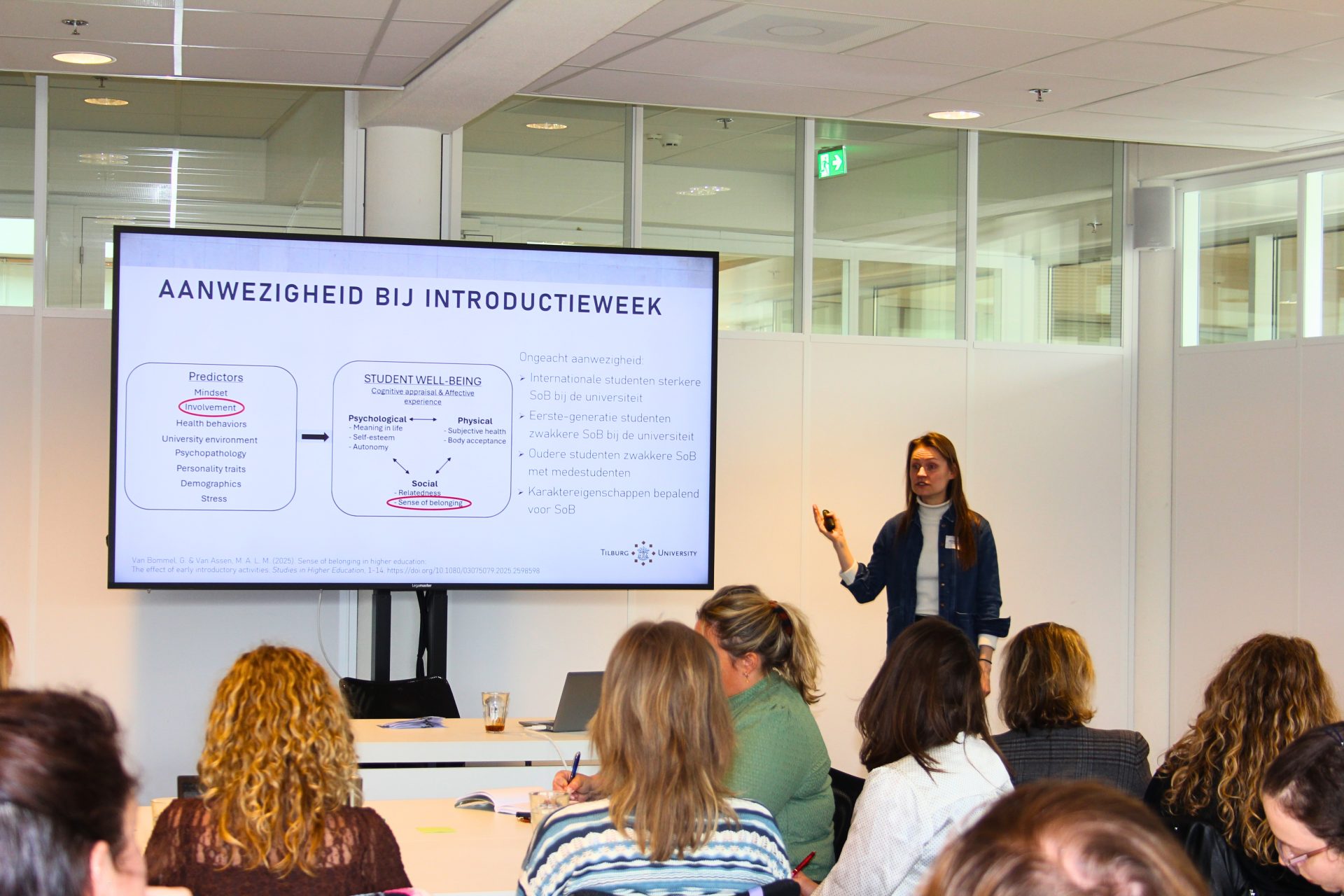
Ghislaine van Bommel, Lecturer & PhD Candidate at Tilburg University, on sense of belonging, the role of introductory weeks, and how loose contacts (‘weak ties’) can contribute to student well-being.

Workshop | Dialogue under Pressure
Sanne Rooding, facilitator, advisor, coach & trainer at WIJschool, on dealing with tension in conversations about sensitive topics and how professionals can offer calm and safety.

Closing lunch
After the workshops, there was plenty of opportunity during lunch to continue the conversation. In small groups, experiences were exchanged, ideas shared, and plans made for one’s own teaching practice. It was a relaxed moment that clearly provided a great deal of new energy.
We are already looking forward to the next meeting on June 16!
About the National Network for Student Well-being
The network brings together professionals from secondary vocational education, higher professional education, and university education who work on the mental well-being of students. By sharing knowledge and exploring solutions together, we are building an environment in which every student feels seen and supported.

