
Student experience | Michelle on studying with DLD
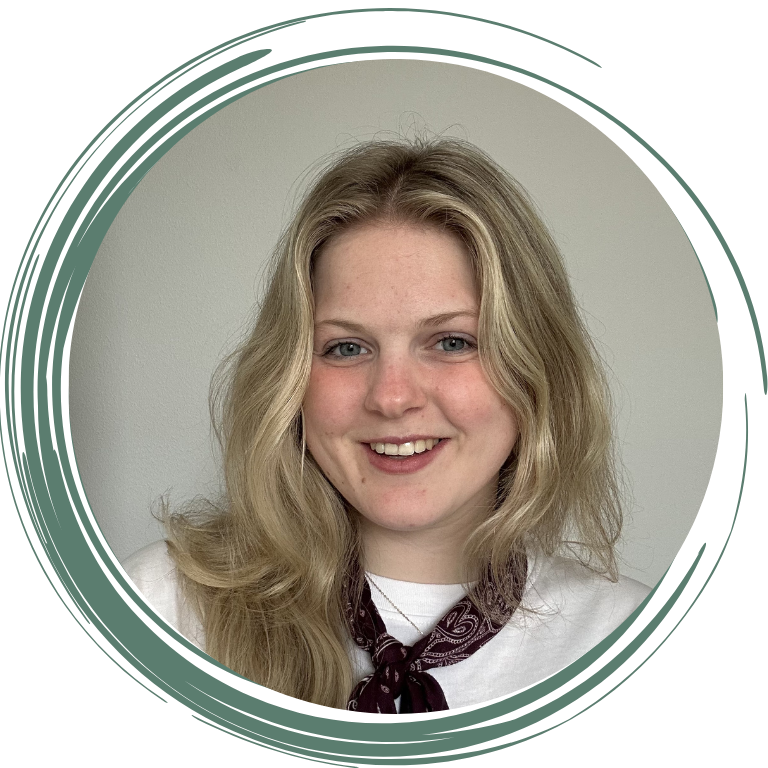
“Studying is not just acquiring knowledge, but understanding what you need to learn well.”
What does it mean to study with DLD (Developmental Language Disorder) when not everything comes naturally, but you persevere? Michelle, a fourth-year speech therapy student, shares her experiences. About looking for the right support and finding what works. Recognizable for students and instructive for education professionals who really want to make a difference.
Because of my DLD, it takes me more time to understand exam questions correctly and to put my answers clearly on paper. Especially with written tests, I need extra time to check my text for sentence structure and spelling. That extra time really makes the difference for me between just missing out and being able to show what I can do.
Requesting notification support
When I applied for the program, I didn’t share my support needs right away. I first wanted to see for myself how it would go. At one point, I noticed that I didn’t have enough time to finish my exams on time. I didn’t get extra time in the first year because the dean disagreed. In the third year, I tried again and then the extra time was granted. Thanks to a concerned teacher, who was able to explain DLD well to the dean and exam committee, my request was approved.
What struck me in this is that the process of getting support can be complicated. A lot is asked in terms of evidence, and even if you have it, it’s not always enough. That can be discouraging.
What goes well?
Fortunately, I have experienced a lot of understanding from my education. My teachers are speech therapists and are knowledgeable about language issues, which helps tremendously. My fellow students are also understanding.
Findability support opportunities
Information about support for students with TOS is hard to find. The term TOS is not even mentioned. You already have to know where to look. You can find it in the study guide, but you have to look just under the right heading and understand what it says. For example, you then have to know that you have neurodivergent disorder. This makes it unnecessarily difficult to find help. From the Lectorate of Speech Therapy – Participation through Communication of the Hogeschool Utrecht, I am conducting a research project together with the lectorate about TOS in the hbo, to see how we can improve this, among other things.
Internship
I am currently doing an internship at a rehabilitation center. This is going well, but I do notice with transfer reports that the structure, sentence structures and spelling do not always go well yet. Engaging with the rehabbers, the treatments themselves and dealing with colleagues are all going well.
Feedback
During evaluation interviews, I get tips on how to formulate my sentences more clearly and fluently. They don’t write it out for me, but give tools with which I can improve my texts myself. That helps me learn from it and become more and more independent.
Online and physical education
Online education I experience as pleasant. You can organize your time more functionally and you don’t have travel time. Asking questions does get easier physically. You can always stop by to have a chat with your teacher. Online, I am more inclined not to do this.
What helps me?
While communicating with others, I like it when it is clear what is expected of me. That gives me a grip and structure. Furthermore, I have no specific needs, for example in speaking pace or manner of speaking.
In the end, I needed only one adjustment: extra time. But the road to it was more complicated than necessary. If we improve that process, students like me can do what really matters: learn and grow much faster.”

