
Student experience | Ivars’ route from special secondary education to university
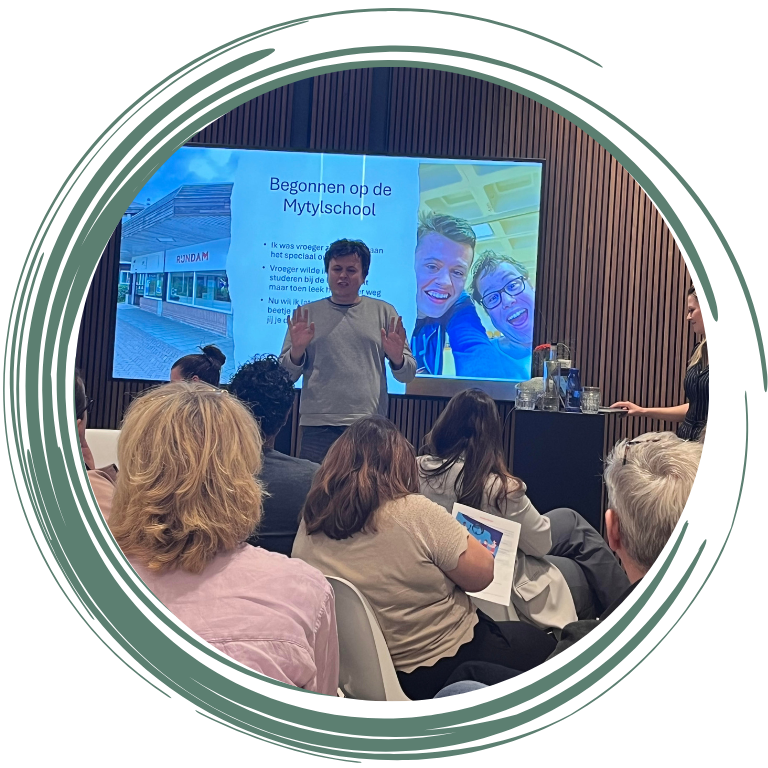
“I want my story to stop being exceptional and become the norm.“
Ivar Berkman is living proof that a label does not have to determine your future. Where the transition from special education to university seems unachievable for many, he made that journey. But what really sets Ivar apart is his mission to make that same route more accessible to young people who are currently on the sidelines.
An unusual but defining school career
Ivar’s educational path was anything but standard. Due to ADHD and dyspraxia (DCD), he got stuck in regular education and ended up at Mytylschool De Brug in Rotterdam where he continued his havo education. “At my previous school I fell between two stools. The transition took some getting used to, but for the first time I felt really coached there,” he says. Still, he soon noticed that the expectations were different from regular schools: “We were mainly prepared for assisted living, not for an advanced education.”
The university: a new world
Nevertheless, Ivar managed to work his way to college step by step. “In the beginning, I felt overwhelmed. Others were more independent, more social. I hadn’t developed that yet.” He challenged himself by joining committees and boards, actively practicing his social skills. “If I put myself in situations where I had to talk, I learned naturally,” he said. That’s how he found balance between studies and social life. “The first year is tough, especially with the BSA. It’s important to seek help in time if you find you can’t make it.”
Challenge in dyspraxia
His dyspraxia has been an ongoing challenge: writing by hand is difficult for him. “Rather type 10,000 words than 10 with the pen,” he says with a laugh. For a long time, he didn’t share this with his teachers. “I didn’t want to be seen as ‘difficult’ right away. In hindsight, it would have been better if I had pointed it out.” Although Ivar himself did not use any aids at Erasmus University, he does advise other vwo students to discuss this with their study advisor:
“Talking about your support needs can make all the difference, including for your student loans.“
L’Oiseau Bleu: guiding young people to a soft landing
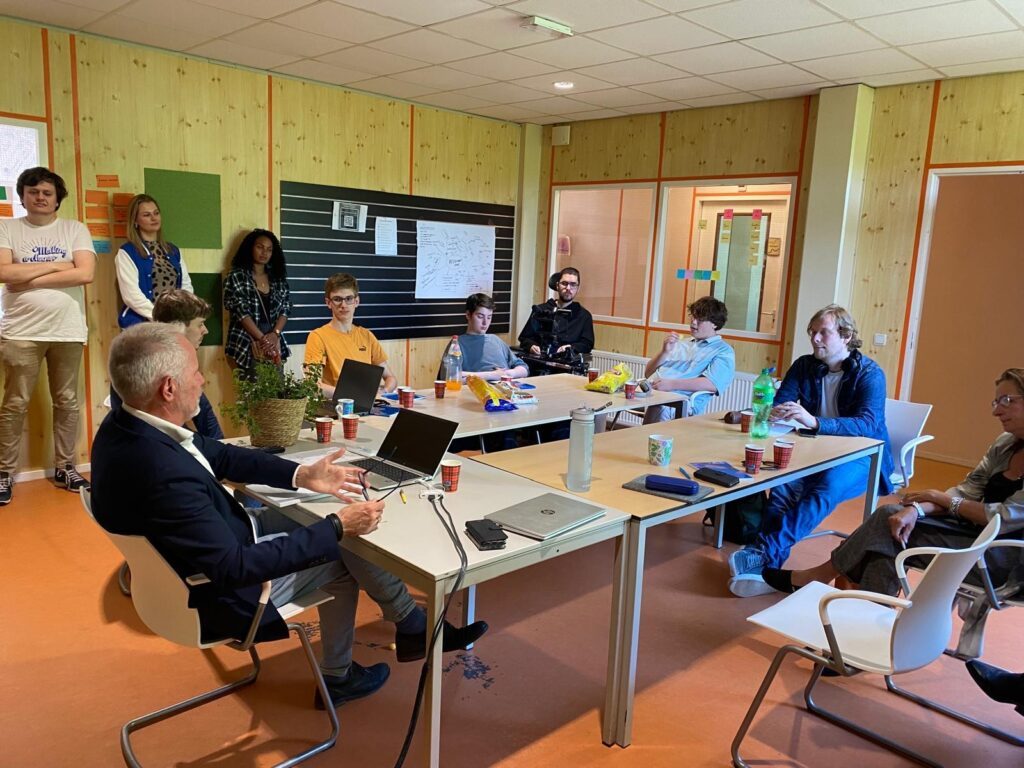
His experiences inspired Ivar to make a difference for others. In collaboration with the Bildung Academy and a young board of four others with diverse educational experiences – including the vso – became L’Oiseau Bleu was founded: an eight-week course for young people from the vso, to guide them in the transition to secondary school, college, university or the labor market. This free course is relevant for both schools and parents. What makes L’Oiseau Bleu special is that it deliberately takes place outside of school from the HefHouse in Rotterdam. “The physical step to a new, external environment is essential. It marks the beginning of independence and is therefore a crucial part of the learning process,” Ivar explains. The first edition of L’Oiseau Bleu was made possible with support from the European Youth Solidarity Corps. A second edition is now planned, and Ivar is working to scale up the program – first nationwide, and eventually internationally.
What schools and parents need to know
Ivar emphasizes that young people from the vso often have low self-confidence. “They think they can’t do it, but that’s not true. They can often do much more than they themselves believe.” His advice? Take their insecurities seriously, offer customized guidance and encourage young people to do ask for help.
Call!
Are you involved in a vso school, or parent of a student in special education? L’Oiseau Bleu offers a proven, hands-on course that supports young people in making the transition to secondary school, college, university or the job market. Please contact L’Oiseau Bleu and discover how your student or child can start a powerful future with a soft landing.

