
Study-Work | Strong at Work Windesheim (coaching approach)
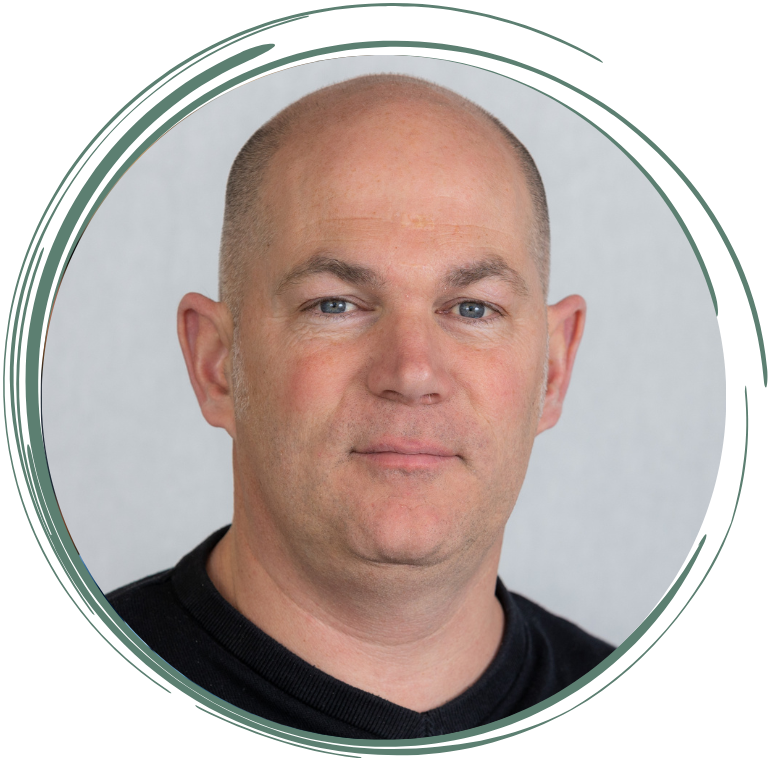
“Relativization is important in a culture where we all need to be successful.”
Windesheim won the Bridge of Fame Award 2024 with its Strong at Work project. This award recognizes best practice for the transition to the labor market for students with disabilities. We spoke to Anton de Vries (career coach), and a participating student, whom we call Anne for this occasion, about their experiences and what makes the project a success. Get inspired by this approach!
Promotion of ‘Strong at Work’ within Windesheim
Within Windesheim, much is being done to raise awareness of “Strong at Work. There is a special web page and intranet where students can register. Study career supervisors and teachers are also actively informed. Anton explains, “During the upcoming graduation ceremonies, we draw the graduates’ attention to the program with a banner and a card with a QR code. Word of mouth also plays a big role. Students with disabilities who are in their graduation phase will also receive two emails to inform them. Participation is possible from the completion phase of the program until six months after graduation.”
Participant experience: Anne
Anne is one of the participants in the program. After registering, she received an intake interview where it was important that there was a click with the career coach. “What really helps me is the critical feedback. It helps me take steps. Talking about it gives me more self-confidence. I feel like I’m not alone. A humorous approach from the coach also really helps; then it doesn’t hit you as hard, but it makes you think.”
Student approach with impact
“We start with a 0 measurement in which students indicate with scores what they need. We do this with five parameters that are important for the transition to the job market: realistic self-image, realistic search profile, social networking system, social skills and job application skills. The emphasis is on the person: what is meaningful work, what are your values and norms? This helps in creating a person profile and finding the right work environment. During counseling interviews, talents often emerge that the student himself was not yet aware of. We take this into account as well,” Anton says.
“This approach provides me with a lot of structure. By putting it on paper as steps, assignments and a mission role value and talent level, I know exactly where I stand” – Anne
The strength of Strong at Work’s guidance team
The “Strong at Work” program is supported by career coaches Anton de Vries and Erik Geerds, and deans Marc Hilbrands and Rianne Bieleman. This cooperation strengthens the approach. The deans are familiar with laws and regulations and have valuable contacts within the programs. Rianne is project leader and has a national network.
Successful counseling approach
Anton explains, “Giving trust is central to our approach. The good conversation, often linked to the student’s mission, is crucial. It is important to consider psychodynamic processes. Questions that make the student aware of strengths and talents, often hidden in the unconscious, are: what crises have you gone through? How did you learn to cope with your disability? What talent have you developed as a result and what life lessons do you take from this and how do you want to pass these lessons on to others? The frequency of the counseling sessions varies from student to student. At the beginning this is more intensive, later less frequent, depending on the need and the speed with which a job is found. Students are always given assignments to think about their own next steps.”
Key skills for job success
“An important skill is daring to be vulnerable during a job interview, stating what you need and showing how you deal with your disability. This reduces the employer’s cold feet. Naming your goals, strengths, mission, role, value and talents is also essential. We practice a lot on this with students, also supported by our HR department. Students gain experience during applications for internships, which helps them in future applications. We also organize networking meetings between students and employers to explore the atmosphere and culture within a work environment and how a position works. In addition, as supervisors ourselves, we join Match Tables in the region to find entry points for our students.”
Guidance during the work process
Counseling for employed graduates is tailored to their needs and can take place online, physically or via e-mail. “If things are not going well, we discuss options together. Often students have enough handouts to indicate their needs to employers to be able to work nicely. If the job does not turn out to be appropriate, we look for a new, suitable job together.
“Our goal is sustainable, appropriate and meaningful work for students” – Anton
Feedback from employers
“Employers often report that our students are well prepared for job interviews. They know what they want, are aware of their own abilities and discuss what they need to function well. ‘An example for many others, even without disabilities,’ they often say. It’s nice to receive this feedback from them,” Anton said. “During the guidance discussions, we increase the student’s self-awareness by asking questions such as: Is this what you want? Do you want it to be different? What are you thinking? What do you feel? The students are always in the lead. That’s how we make sure they determine how things go.” Anne agrees: “It’s all about who you want to be.”
When a trajectory is successful
Anton: “I am not result-oriented. If the student comes more to self-acceptance and accepts himself more as he is, I am already satisfied. Self-acceptance is one of the most important keys to finding a suitable job. Approaching students with humor and relatability works best. Relativization is important in a culture where we all have to be successful. Life is often already a struggle. We must continue to see the humor and dare to make fun of yourself as a counselor as well. I get very happy when the student sees their own talent. Often you draw strength from your weakness. Experiences in life make you stronger, shape you.”
Tips from Anton and Anne’s practice
Share your knowledge and experiences?

