
IMVET International Experience | Merlijn
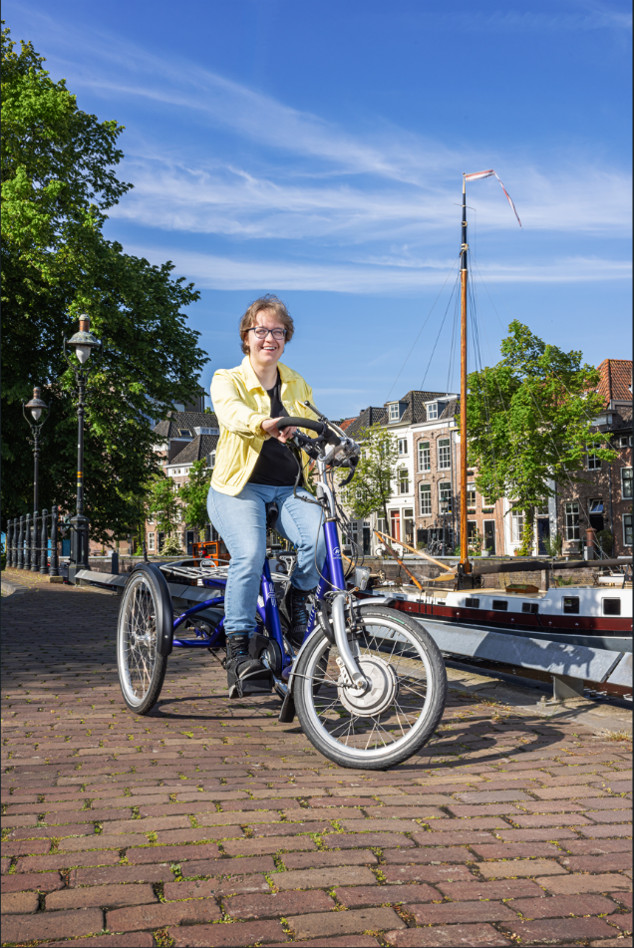
“Follow your heart”
For Merlijn, a 23-year-old Media & Journalism student from the Netherlands, travelling is a way to discover new places, meet new people, and learn new things. During her studies at Koning Willem I College, she found her passion for stories, creativity, and exploring the world.
Recently, she travelled to London on her own for the first time. This was a big step because Merlijn lives with *cerebral palsy and epilepsy.
A Special trip
In February, Merlijn went to London for a weekend to attend a live recording of her favourite podcast, 13 Again. For many people, this would be a normal city trip. For Merlijn, it was much more than that. “The people who make this podcast helped me through a difficult time in my life. Their music gave me comfort when I was struggling. That is why I really wanted to be there.”
Merlijn had travelled alone before, but this was the first time she stayed by herself in another country. Her biggest worry was not her physical disability, but her epilepsy. “My most serious seizures usually happen when I wake up. That made it scary to stay alone in a hotel room. But I did not want to miss this chance.”
Look at what is possible
Merlijn has learned that many people first see what she cannot do, instead of what she can do. She already noticed this when she joined an exchange programme in secondary school. “My secondary school mainly looked at the problems. I wanted to look at the possibilities.”
Good preparation helped her. Before travelling, she looked for information and thought about possible challenges. This helped her and the people around her find good solutions. “If you prepare well, it is easier to explain what you need.”
Be open about your needs
One important lesson Merlijn has learned is that it helps to be open. “Tell people what you need. If you don’t tell them, they don’t know how they can help you.” She also advises students to involve people who know them well. These people can join meetings about support or accommodations. They can help make sure the conversation is about opportunities, not only about challenges.
The best experiences start when you try
Merlijn has one important message for students who are considering studying abroad.
“Don’t be afraid of new experiences. Some of the best moments happen when you try something new.”
One day, Merlijn hopes to study or work in England. She does not know yet if that dream will come true. But her experiences have shown her that more is possible than she first thought.
Her message is clear:
“ Follow your heart. If you really want something, don’t let one small voice tell you that you can’t do it.”
Tips from the Story of Merlin for education professionals
Merlijn’s Tips for Students
*What is cerebral palsy (CP)?
Cerebral palsy (CP) is a condition caused by damage to the brain before, during, or shortly after birth. It affects the way the brain controls movement and muscles. People with CP may find it difficult to move, walk, speak, or use their hands and arms. Every person with CP is different. Some people have only a few difficulties, while others need more support.
(Photography: Martine van den Oever)

